Trauma Training on Animals Expands in Canada’s Military
Please show your support for the Animal Alliance of Canada Fund as they strive, along with the Animal Protection Party, to end the use of animals in horrific military training exercises. If 70% of NATO nations can train their military medics without resorting to animal use, why are our own Armed Forces not receiving similar, state-of-the-art preparation for 21st Century needs? The following comes directly from Animal Alliance and the APP, reprinted here with gratitude for their tireless campaign against
such cruelty

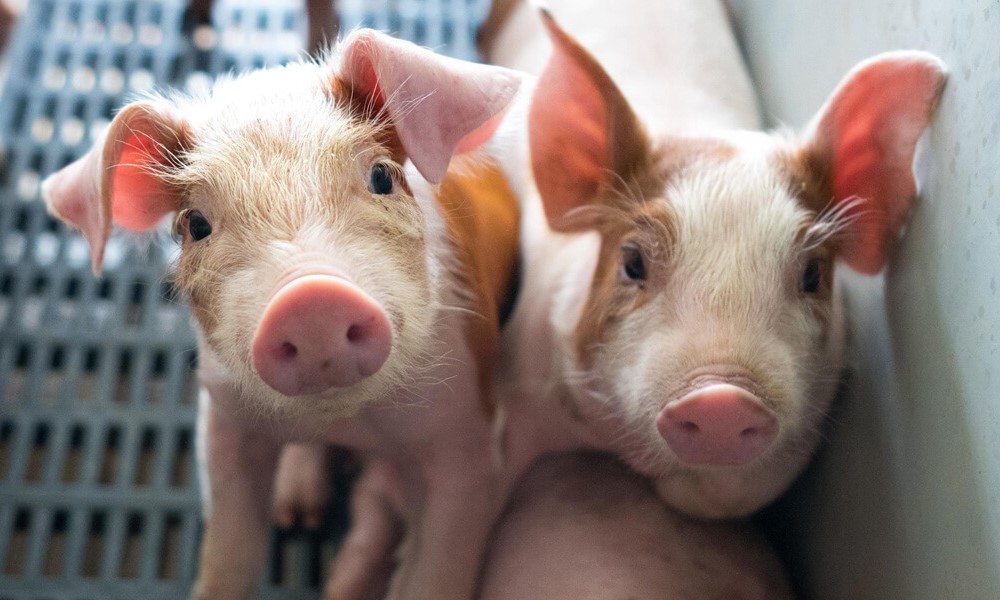
Photo credit: Animal Protection Party of Canada
A new report released recently by the Animal Alliance of Canada Fund shows Canada’s Department of National Defence (DND) has expanded its use of live piglets in military trauma training, subjecting them to amputations, organ wounds, induced hypothermia, and exposure to chemical agents, even as Ottawa commits record sums to modernizing the Armed Forces.
The DND withheld 569 pages of records in response to Access to Information requests, including all photographs, all videos, and all anesthesia logs. The withholding of anesthesia records is particularly troubling given the DND’s documented history of piglets reviving during hours-long training sessions.
| Read the Report | |||||
| This follows the Animal Protection Party of Canada’s 2023 report Defenceless: Animal-Based Trauma Training in the Canadian Military, which drew on over 3,200 pages of Access to Information records to expose the DND’s use of piglets as young as 10 weeks in trauma training. | |||||
 | |||||
| Image credit: JoAnne McArthur/ We Animals | |||||
| The decision now to withhold every anesthesia log raises serious questions about transparency and accountability, particularly when those same records previously exposed extreme animal suffering the department had failed to prevent.The list of injuries inflicted by instructors and technicians has grown and now includes: Impalement with long metal or wooden instruments, including environmental debrisAmputation of both hind and forelimbs of all pigletsEye injuries created by inserting pieces of wood or metal under the eyelidsCrush injuries produced by placing a heavy object over a piglet’s hind legInduced hypothermia through exposure to cold temperatures and/or prevention of heat retentionEvisceration and chest opening, including puncturing of the lungsStabbing of the liver and spleenEvery one of these injuries was planned, approved, and carried out on a young piglet, despite the availability of human-relevant training methods. | |||||
| Canada among a minority of NATO nations that continue to use animals | |||||
| The continued use of animals in this context is also out of step with Canada’s allies. More than 70% of NATO member nations no longer use animals for military medical training, and the DND’s own documents acknowledge that anatomical differences make pigs poor models for treating human injuries, potentially introducing “training scars” that could endanger soldiers in the field. Human-relevant trauma training simulators, such as Caesar and SimMan, are commercially available, widely used by militaries and medical schools around the world, and in many cases preferred by the people doing the training. | |||||
 | |||||
| Image rendered for illustrative purposes. | |||||
| The Animal Protection Party of Canada is calling for an immediate end to the use of live animals in military trauma training, a clear, time-bound transition plan to human-relevant training technologies, independent oversight of all military training involving animals, and full transparency in ATI releases related to animal use. By ending live animal trauma training, embracing advanced simulation technologies, and committing to transparency and independent oversight, the DND can align itself with contemporary medical standards and reaffirm Canada’s commitment to humane, evidence-based practice. The path forward is clear; what remains is the resolve to take it. | |||||
 | Thank you for standing with us. Twyla Francois Manager, Research and Education Animal Alliance of Canada Fund | ||||